|
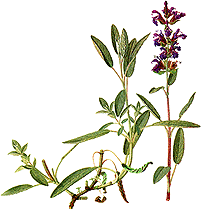
Sage is a gamopetalous plant of the Labiatae family which
flourishes in dry and sunny climates. In cold climates in
winter, it needs to be put under glass.
Flowers: from May to July and in September-October for
certain varieties.
 The Latin name for sage, salvia,
means "in good health" and this plant has been considered as
the ultimate cure-all since ancient times. The Latin name for sage, salvia,
means "in good health" and this plant has been considered as
the ultimate cure-all since ancient times.
In ancient Egypt, and later in Rome, sage was the symbol of
fertility. Romans had to dress in white tunics, be barefoot
and perform a sacrifice before picking sage, which was known
at the time as the "sacred herb". The Gauls believed that
sage had the power to revive the dead.
|
|
|
Even though sage is reputed to
be toxic at high doses, provoking a rush of blood to the
abdominal organs, and can be harmful to the nervous system,
it has had many medicinal virtues attributed to it over
time.
Sage oil in was used in small doses for its
anti-inflammatory and astringent action. It was used to
stimulate blood circulation.
Slightly diuretic, it was also supposed to reduce excess
perspiration.
|

